1X Neo Hands-On: Evaluating the First Commercial Home Humanoid
We are standing on the precipice of a monumental shift in home automation. For decades, the concept of a walking, thinking robot assistant has been restricted to the realms of science fiction cinema and multi-million dollar industrial laboratory setups. That paradigm is officially shattered. The Wall Street Journal recently secured an exclusive, hands-on preview of the 1X Neo. This machine is fully intended to be the first consumer-grade humanoid robot deployed in residential homes. And yes, watching it fold laundry is as surreal as it sounds.
When you compare the current market landscape on our robot comparison engine, a stark divide becomes apparent. Companies like Tesla and Boston Dynamics have traditionally focused on maximum load capacity and rigid industrial precision. 1X took a completely different approach. They looked at the home environment and realized that safety, not strength, is the ultimate bottleneck for consumer adoption.
The WSJ Hands-On Experience
During the Wall Street Journal demonstration, the boundaries of domestic robotics were pushed in real time. The Neo is not a puppet on a string. It operates using advanced end-to-end artificial intelligence models that process visual data from its cameras and translate that directly into physical actions. There is no hardcoded script telling the robot exactly how many millimeters to move its arm to pick up a cup.
Watching the video above, one of the first things you notice is the deliberate pace of the machine. It moves with a certain calculating smoothness rather than the rapid snapping motions of an assembly line robotic arm. This fluidity is the direct result of its underlying hardware architecture, setting a new standard for what a household robotic assistant should look and feel like.
Why Soft Robotics Will Win the Home
If a two hundred pound metal machine malfunctions in a factory, perimeter cages protect the workers. In a residential living room, a software glitch in a heavy industrial robot could be catastrophic for a pet or a toddler. This is exactly why 1X pursued tendon-driven architecture. The outer layers of the robot are compliant and soft to the touch. It feels somewhat like a dense foam suit over a skeletal framework.
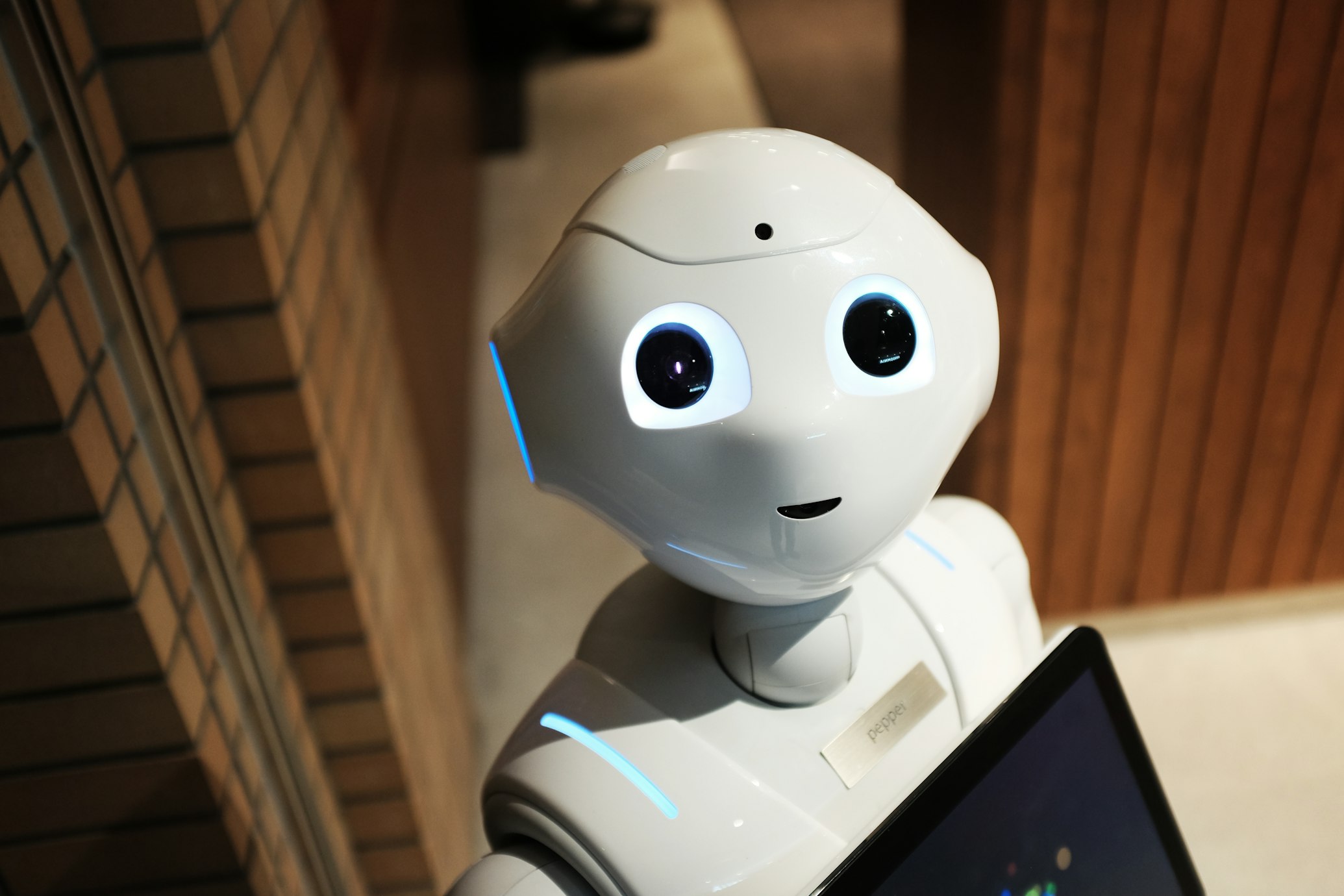
Passive compliance is the engineering term for this safety profile. It means that if you push against the robot, or if the robot accidentally bumps into a wall, the physical mechanism yields to the pressure. It does not try to force its way through operations. The gears are not rigidly locked. This tendon-driven approach mimics human musculature far more closely than standard electric servos. It is the only viable path to gaining regulatory approval and consumer trust for autonomous household deployment.
The $20,000 Price Point Explained
A common myth in the robotics industry is that humanoids are destined to be luxury items reserved for the ultra wealthy. The $20,000 price tag on the 1X Neo obliterates that assumption. By stripping away heavy duty titanium components and focusing on lightweight composite materials, the manufacturing costs plummet. At this price point, the robot transitions from a luxury toy to a legitimate utility appliance conceptually similar to buying an entry level car.
Furthermore, you are amortizing the cost of physical labor. Imagine regaining five hours of your week previously lost to folding laundry, loading the dishwasher, and tidying up the living room. Over the lifespan of the hardware, the return on investment becomes glaringly apparent. In fact, experts predict that the used market for these robots will be thriving by the end of the decade. For a deeper dive into the economics of the industry, you can read more about our vision on the about page.
Artificial Intelligence and Vision Models
Hardware is only half of the equation. A robot with incredible dexterity is entirely useless if it lacks common sense. The latest breakthroughs in multimodal neural networks are what finally unlocked the potential of the 1X Neo. The robot utilizes a continuous stream of visual data piped directly into a vast neural network that processes both images and semantics simultaneously. This means you do not have to write code to teach the robot how to handle a delicate wine glass versus a heavy textbook.
The system implicitly understands physical properties by analyzing training data gathered from thousands of hours of teleoperation. Human operators remote control the robots in lab settings to gather baseline data. The AI then generalizes that data. If it learns to wipe down a kitchen counter, it can intuitively figure out how to wipe down a dining room table without additional explicit programming.
The Era of the Home Robot
The Wall Street Journal review is a watershed moment for the industry. It moves the conversation out of specialized technical journals and firmly into the mainstream consciousness. As 1X begins fulfilling its first wave of pre-orders, we will undoubtedly see a flood of user generated content showcasing both the triumphs and the hilarious failures of early adoption.
If you are interested in diving deeper into the technical specifications of tendon driven actuators and soft robotics materials, I highly recommend checking out IEEE Spectrum Robotics for peer reviewed engineering analysis. The transition from industrial automation to consumer assistance is no longer a distant possibility. It is actively happening right now, in real homes, and it will fundamentally alter how we manage our domestic lives forever.
Frequently Asked Questions
How much does the 1X Neo robot cost?
The 1X Neo is priced at approximately $20,000 for early pre-orders. This competitive price point is achieved by using tendon-driven soft robotics instead of heavy industrial actuators.
Is the 1X Neo safe around children and pets?
Yes, the defining feature of the 1X Neo is its passive compliance. Because it utilizes a soft chassis and lacks heavy metal pinch points, it physically cannot exert the dangerous rigid forces associated with traditional factory robots.
When will the 1X Neo be available to consumers?
Pre-orders are currently open, with the first wave of beta units slated to arrive in select homes by late 2026. General consumer availability is expected to scale throughout 2027.
Does the 1X Neo require explicit programming for new tasks?
No, the robot is equipped with advanced Vision-Language-Action (VLA) models. This allows it to interpret natural language commands and visually reason about its environment to complete tasks autonomously.